Second-source filament supply
Add a second filament source without guessing at the match.
Start with the products that matter most, compare candidate samples with your current reference, and use a focused trial to decide where an alternative source fits your purchasing plan.
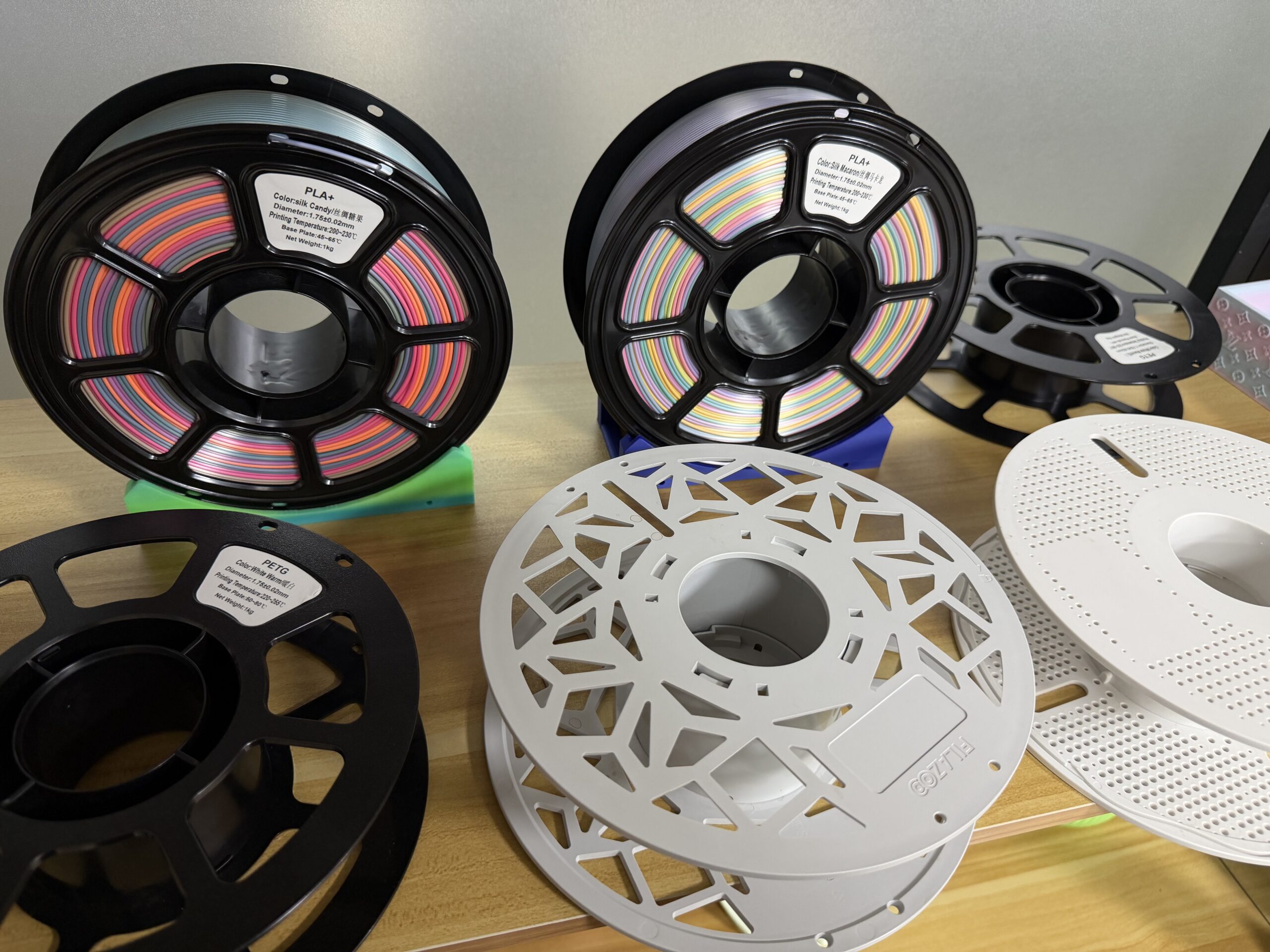
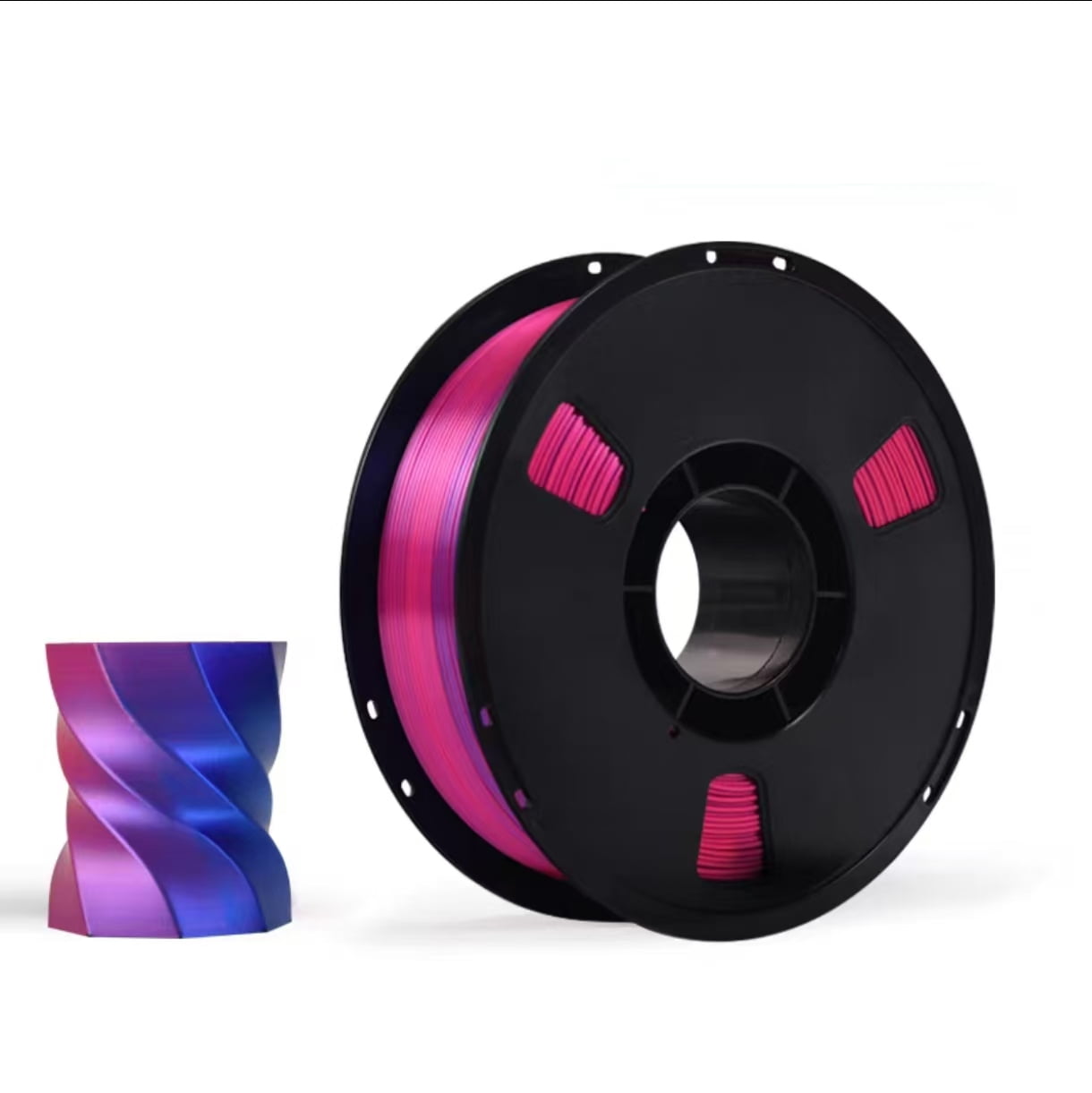
Why buyers qualify an alternative
Build the option before you urgently need it.
A second source can support continuity planning, purchasing comparisons or growth into new products and markets. The useful question is not whether every SKU can switch—it is which selected products are worth qualifying first.
Continuity planning
Prepare an alternative route before a supply interruption forces a rushed choice.
Purchasing comparison
Compare product, packaging, quantity and logistics around the same buying requirement.
Growth support
Evaluate additional supply for a larger range, new channel or new destination.
Selected-SKU backup
Focus first on the products whose availability matters most to your business.
Prepare the current reference
Show the candidate what it needs to be compared with.
You do not need a perfect specification pack. Start with the product information, physical references and packaging details your team already uses.
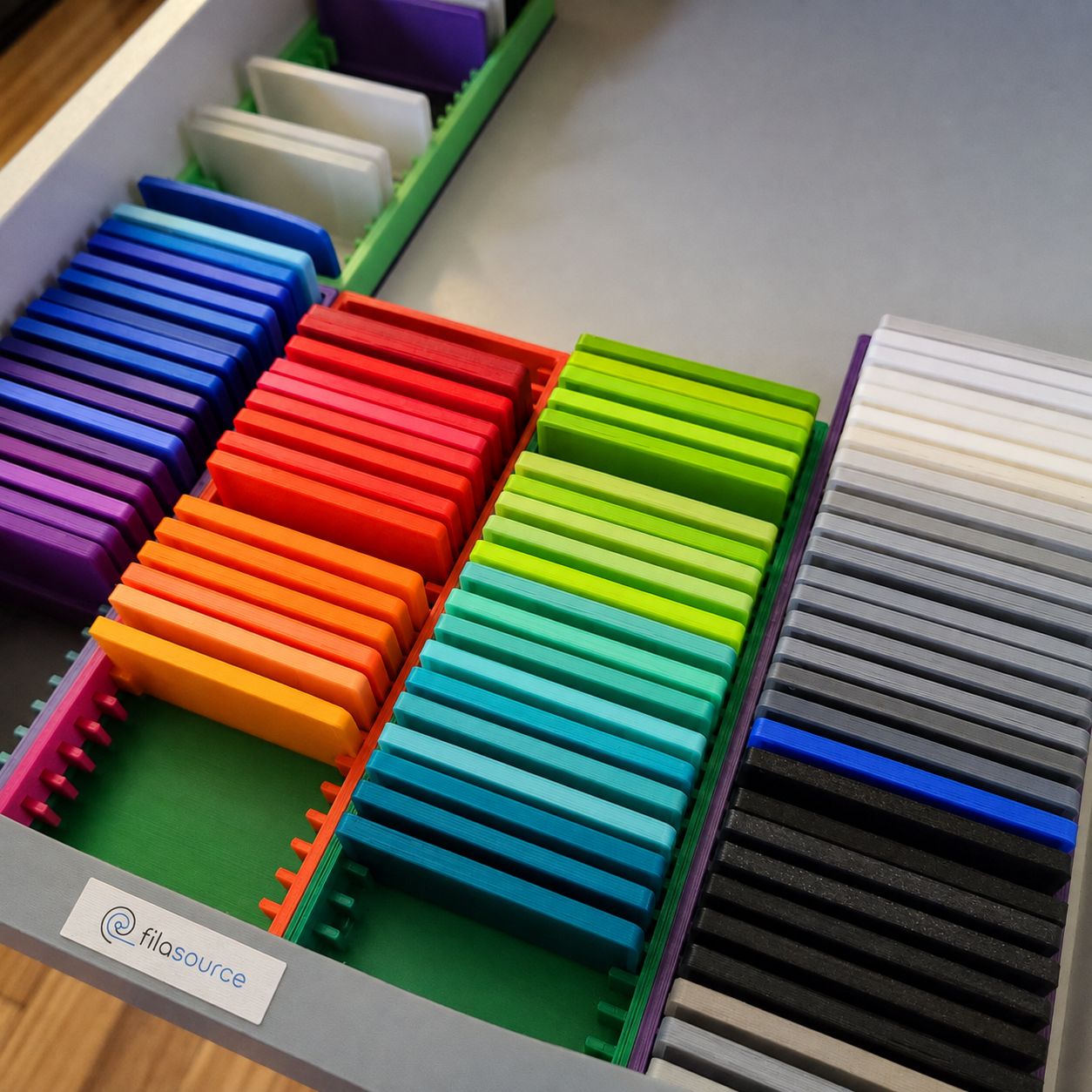
01 / Product requirements
What must the product do?
Share the material, colour, spool, print conditions and acceptance points that matter to you.
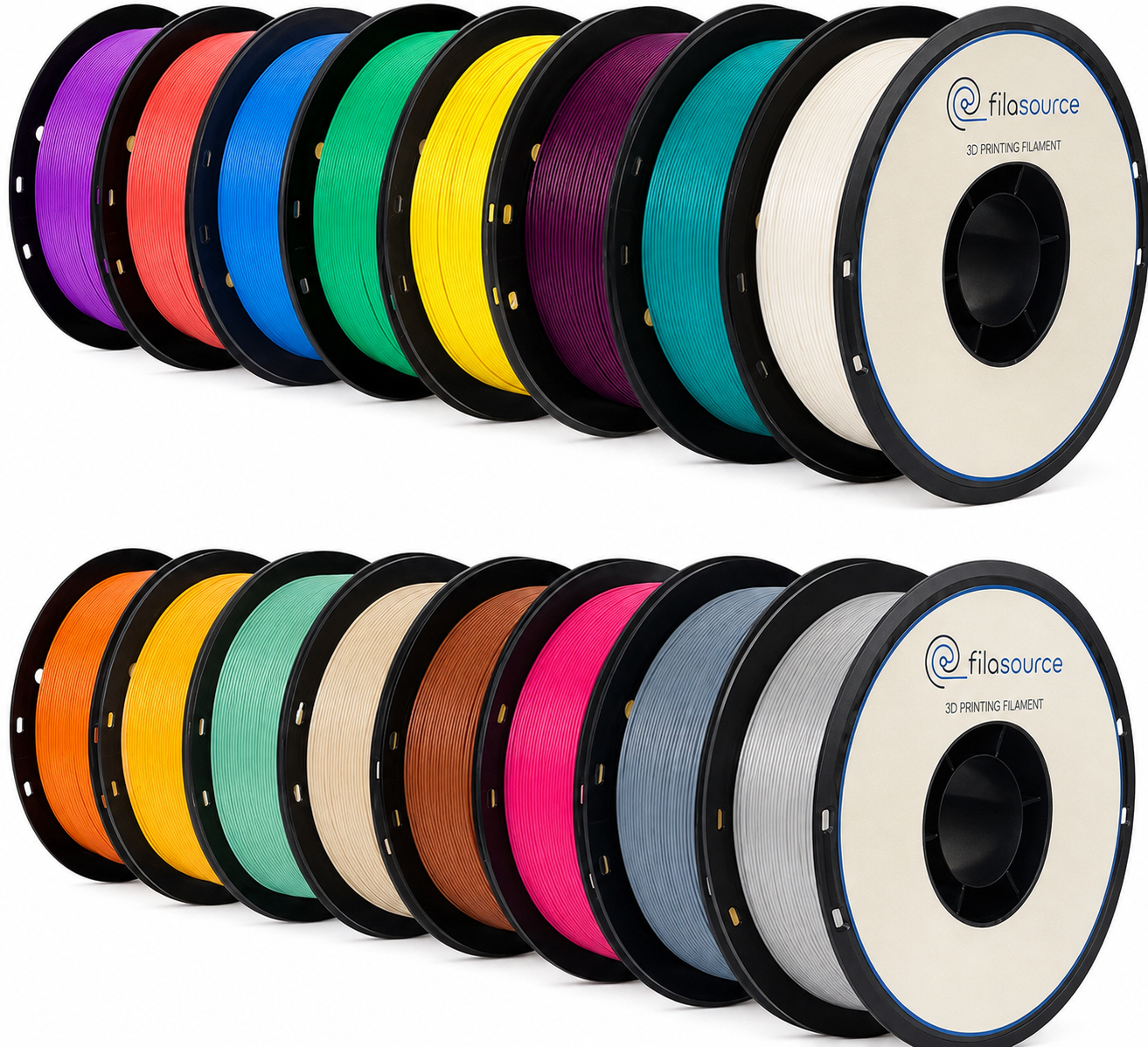
02 / Physical reference
What are you matching against?
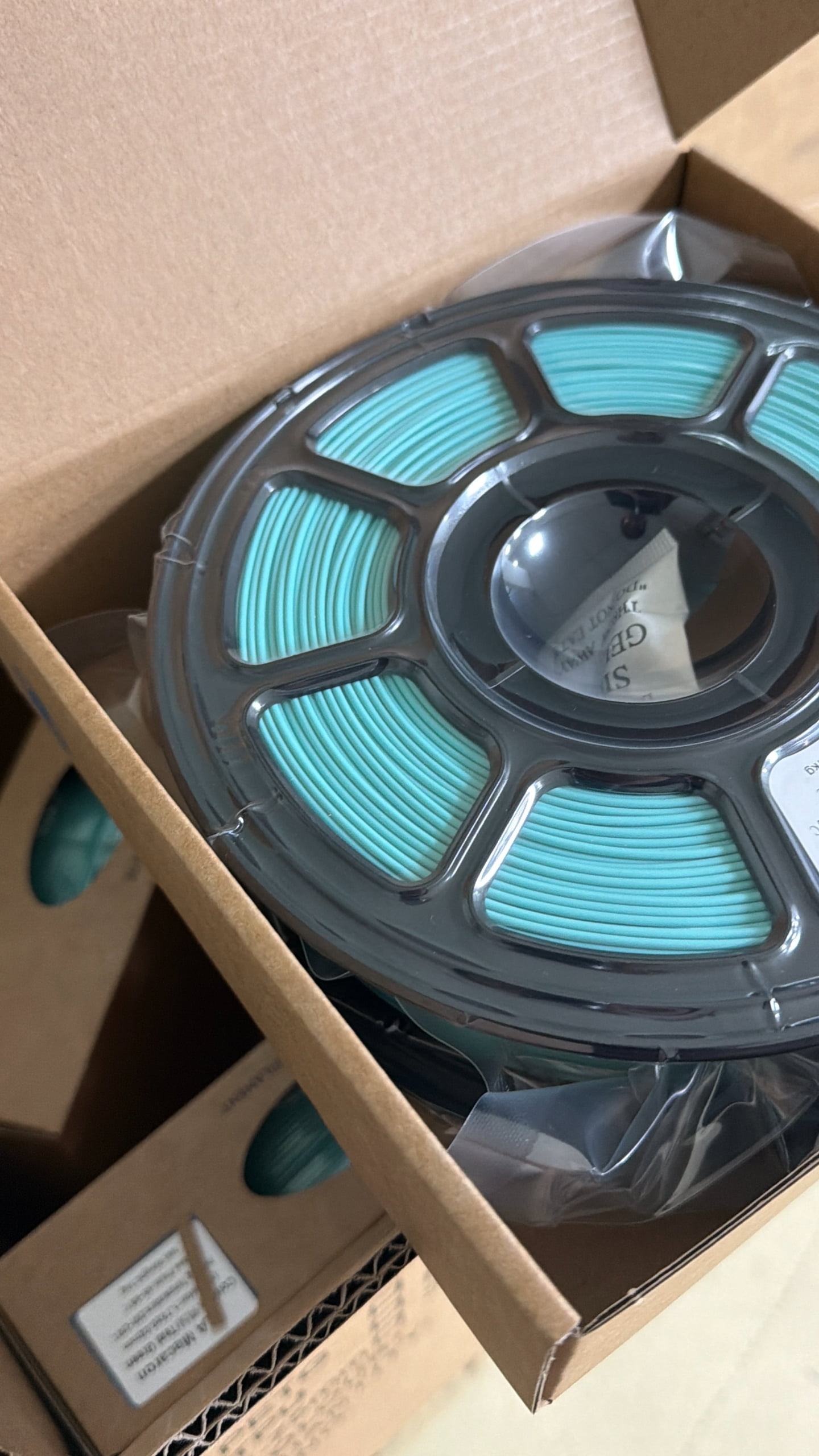
Provide an approved spool, colour sample, printed part or retained reference when available.
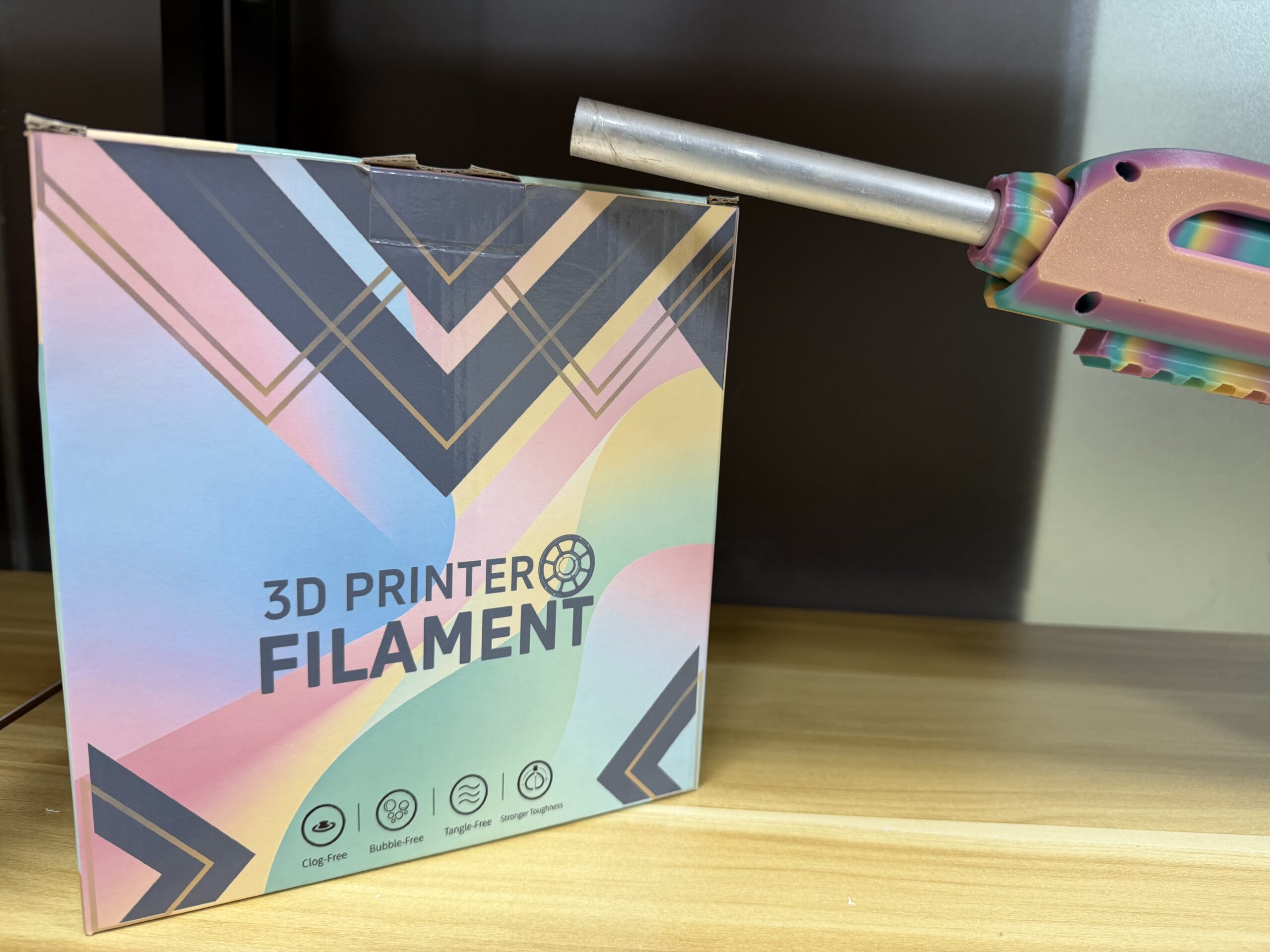
03 / Commercial format
How must the order reach your channel?
Include label, barcode, box, carton, quantity, destination and replenishment needs.
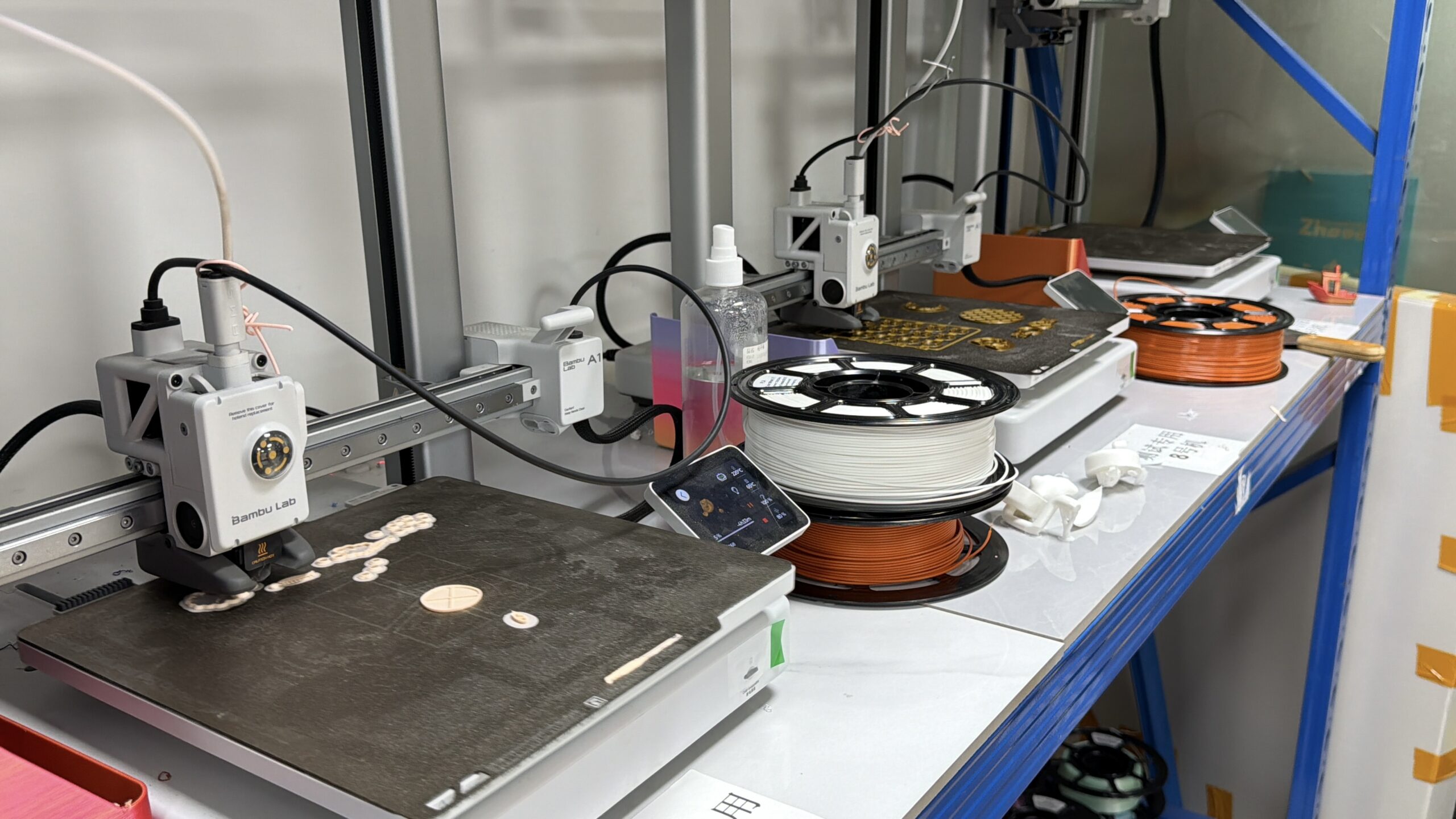
Choose the first SKUs
Test a small group that represents the range you actually buy.
A focused shortlist is easier to compare than a full catalog. Choose products that cover the commercial and technical decisions you need to make first.
A core seller or regular-use SKU
Include a product whose continuity matters to customers or daily operations.
A technically distinct option
Choose a material, finish or colour that tests a different requirement.
A representative packaging route
Include the label, barcode, box or carton format most relevant to your channel.
A practical qualification path
Move from reference to trial in five clear steps.
Each step answers a different buying question. The outcome can be approval for selected SKUs, a targeted retest, or a decision to keep the current route.
-
01
Define the match
List current requirements, references and open questions.
-
02
Review a candidate
Select a product and confirm the sample scope.
-
03
Compare side by side
Use the same print question and relevant conditions.
-
04
Run a focused trial
Check product, packaging, order handling and feedback.
-
05
Set the approved use
Choose the SKUs, quantities and scenarios for the next order.
Make the comparison useful
Decide what “a match” means before testing.
Use the current reference and the same buying question for both products. This keeps the result connected to the decision your team needs to make.
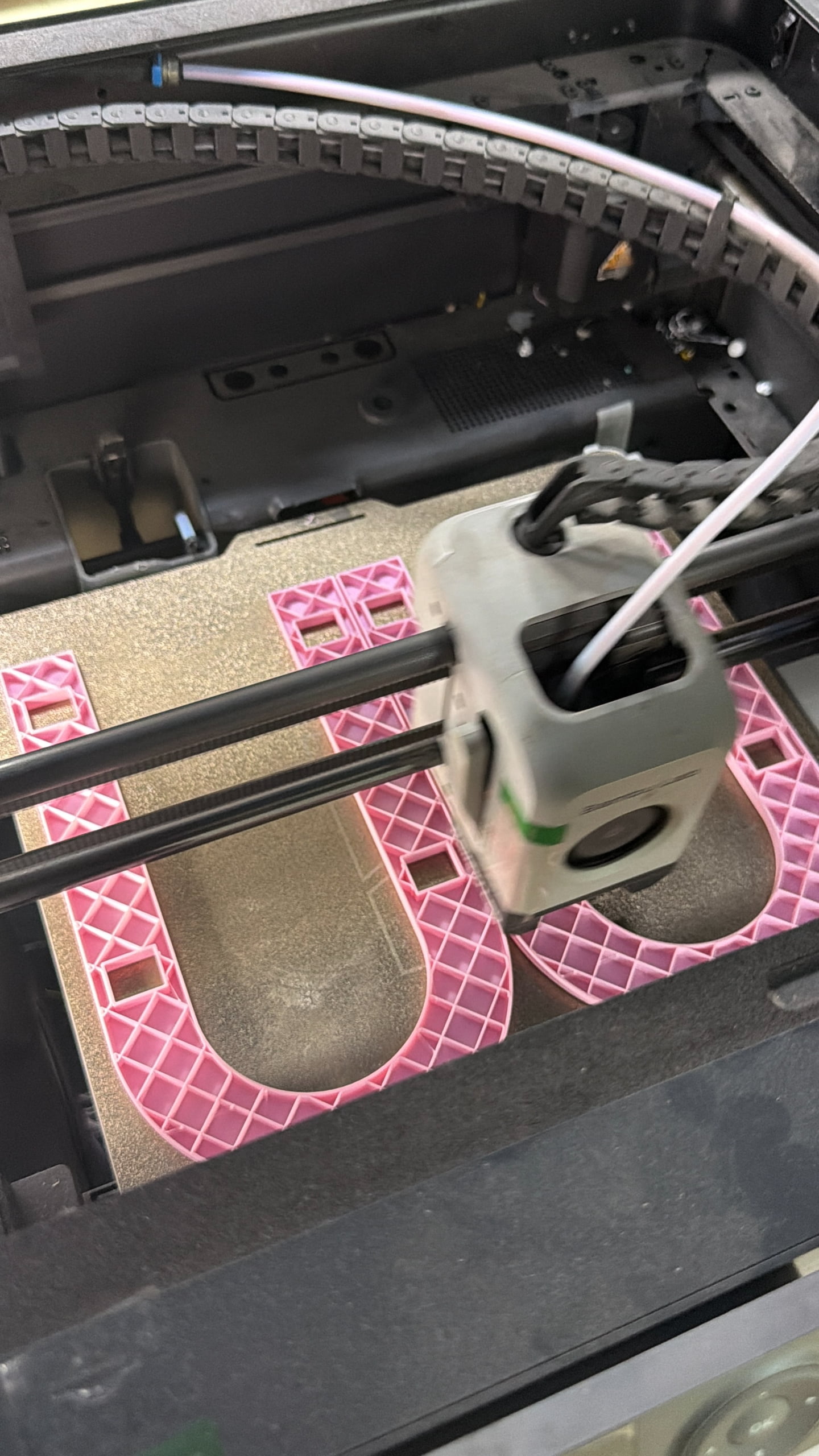
01 / Same question
Compare the result you care about
Use a print model and acceptance points that reflect the intended work.
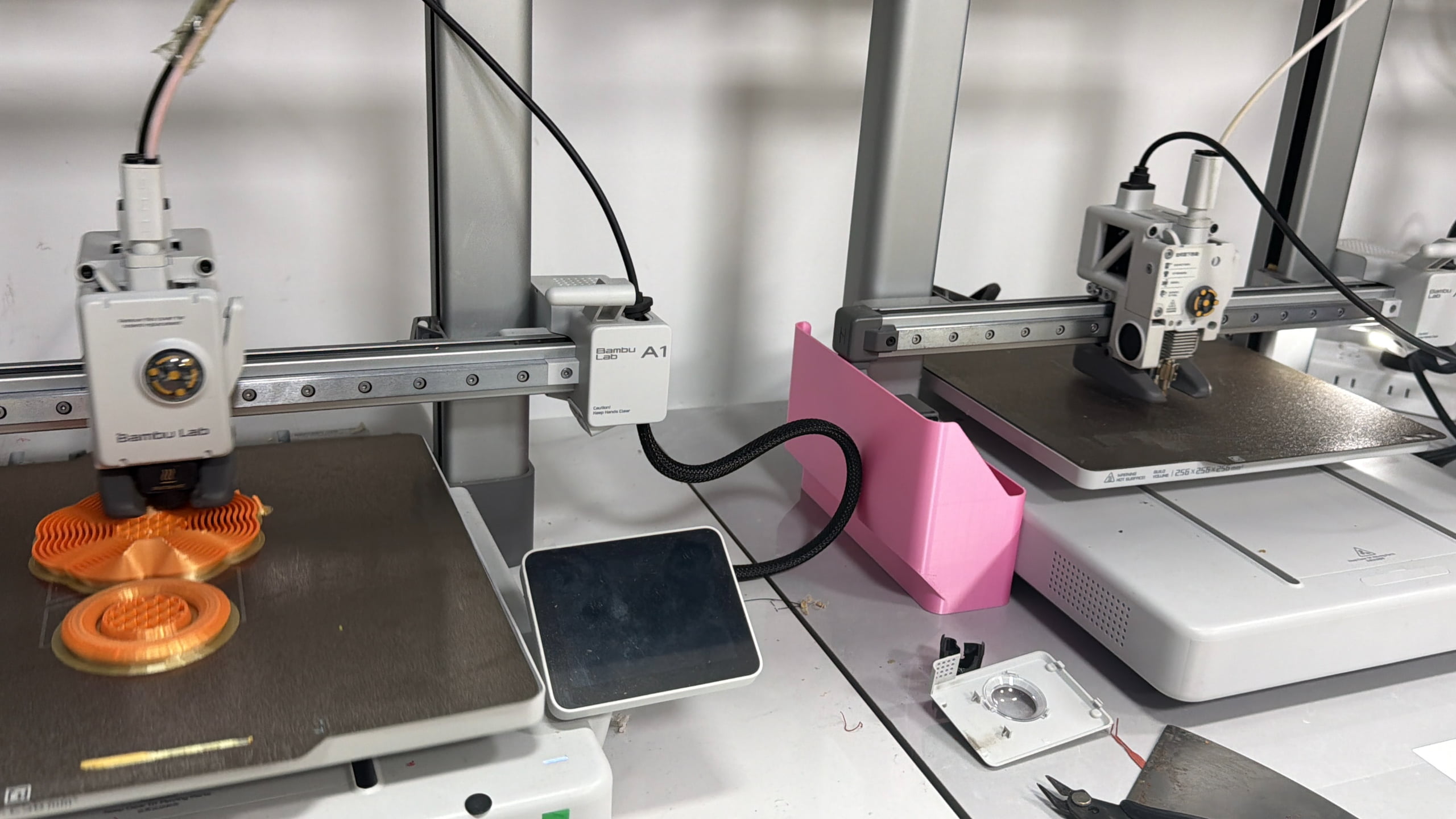
02 / Comparable conditions
Record the setup that matters
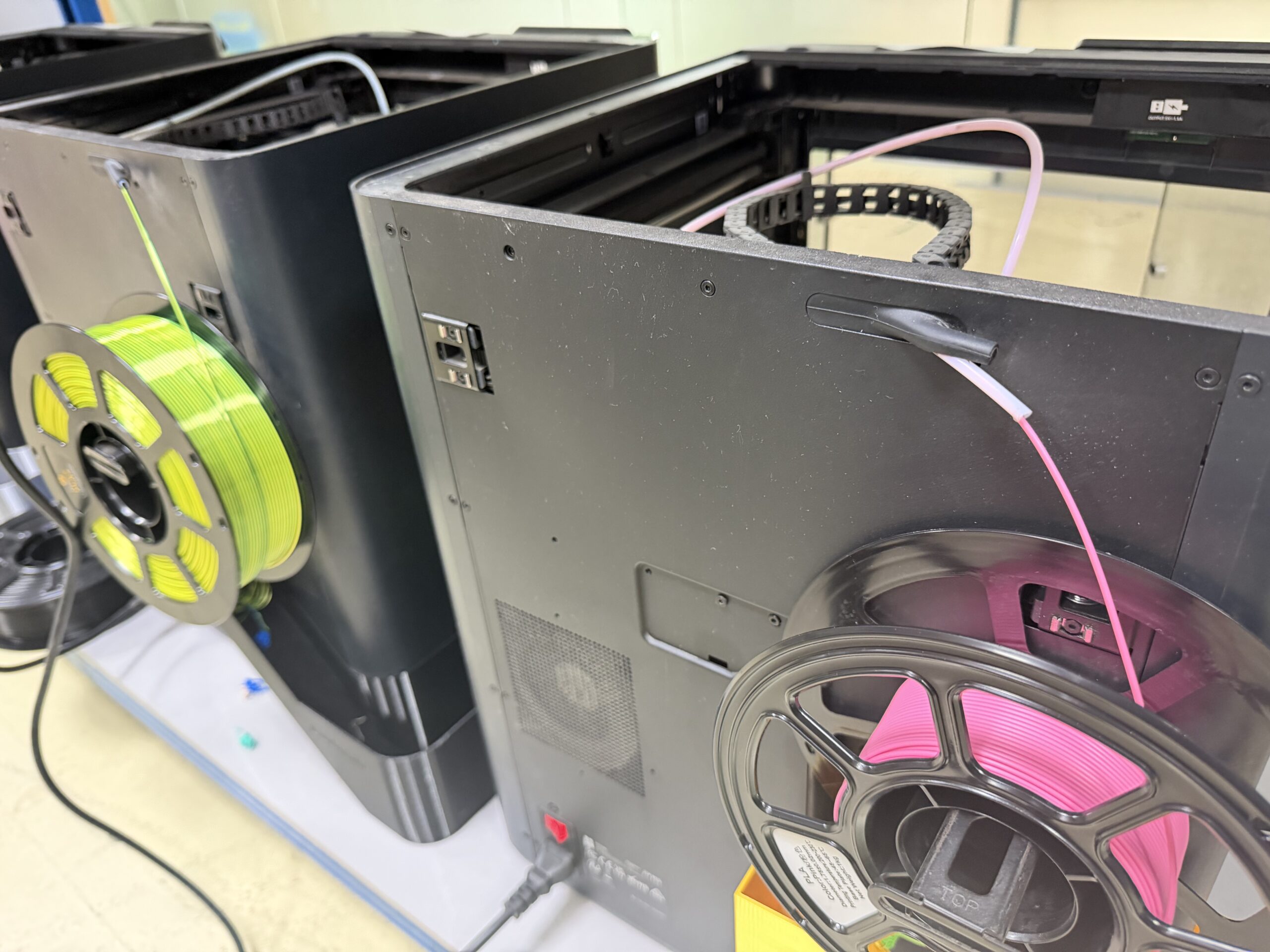
Capture the printer, nozzle, profile, model, preparation and storage context as needed.
03 / Clear next action
Choose pass, adjust or stop
Record the outcome without changing the original buying question after the test.
Move into use gradually
Give the second source a defined first role.
The first approval does not need to cover the entire range. Start with the products and order situations supported by your comparison, then expand only when the next result gives you a reason.
Name the approved SKUs
List the products, colours and packaging versions included.
Set the first order scenario
Choose the quantity, channel, destination or backup role for the trial.
Record feedback and changes
Use the result to repeat, adjust, expand or pause the route.
Start with what you already have
Send one current SKU or product reference.
Add the reason you are considering a second source, the quantity range, packaging preference, destination and target timing. We can use that brief to discuss the first comparison.
Current reference
First comparison